A garden light charges and discharges 365 times a year. That is a completely different job from a remote control, even when the cell is the same physical size. Ni-MH is the usual answer here because it tolerates daily shallow cycling and handles the charge current a small solar panel produces.
Cold is the other variable. Capacity drops in winter and a lamp that runs eight hours in July may manage three in January. Plan the runtime claim on your packaging around the worst month, not the best one.
Weather resistance belongs to your enclosure, not to the cell. We can tell you the operating temperature range for a model; the IP rating of the finished lamp is yours to test.
Inputs for a supplier brief
- Tell us the charge source and how it controls charging
- Define the daily cycle and the seasonal temperature range
- Check polarity and how the user reaches the battery
- Test a sample in the finished lamp before you commit
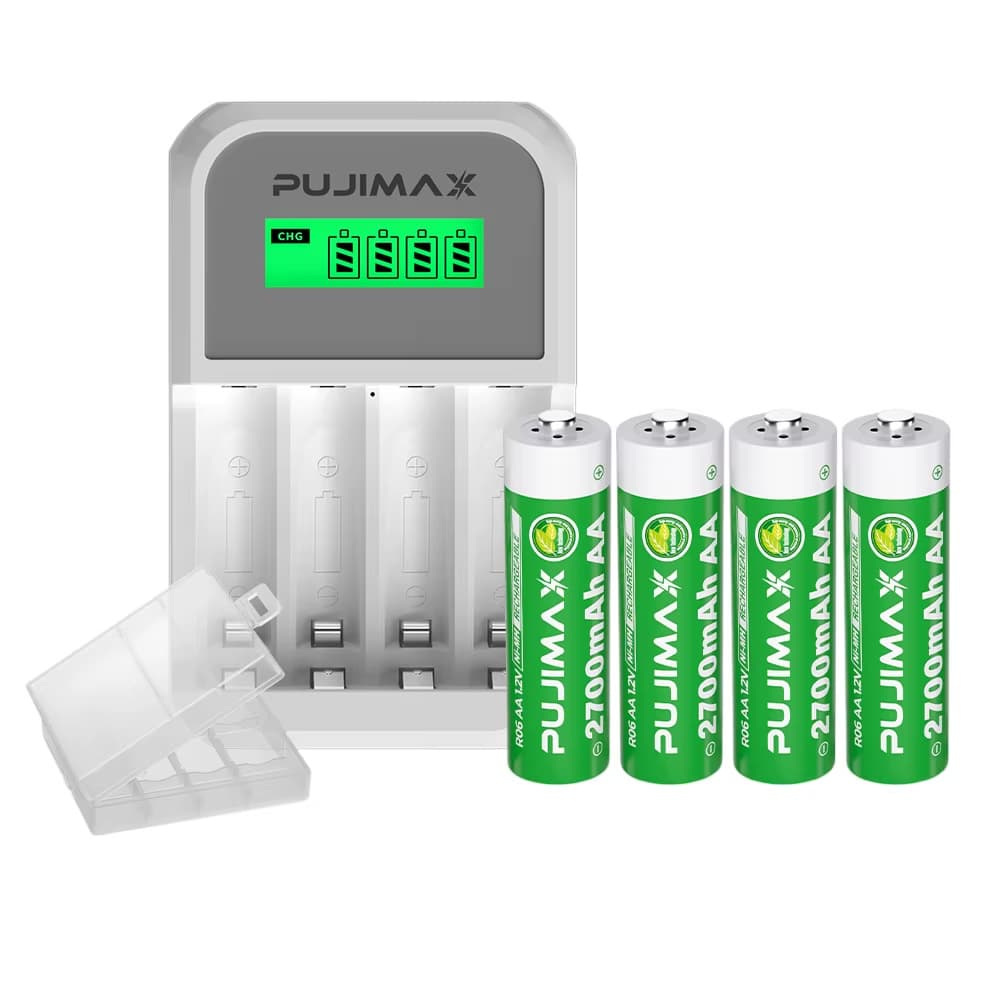
Models we would put forward
A starting shortlist for this application. Confirm the load and cut-off behaviour in your own device before committing.